
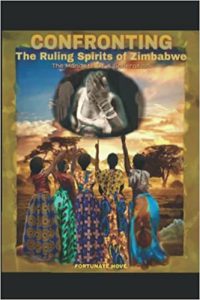
Any painful experience requires the sufferer to develop enough strength to overcome the effects to the point of healing. Unfortunately, childhood pain can alter the victim’s future. My own life was negatively impacted by sexual and physical violence at the hands of my family at a very young age. In hindsight, I am grateful for having endured such pain because I became a preacher who deals with broken people, primarily women. My brokenness is now the message that ushers healing into the life of many broken vessels.
After studying the history of Zimbabwe, I came face to face with the reality of the system of worship, which partly promotes sexual abuse within traditional structures. The celebrated Shona traditions often carry oppressive practices that target vulnerable members of a family system, especially women. The strong belief system in maintaining vibrant familial connections is often practiced at the expense of protecting the weak. The fight against abuse of any kind in Zimbabwe is quickly gaining prominence. However, victims’ total freedom of expression still carries a stigma because some victims have to rise against their familial system. Having a voice as a woman is relatively new from a cultural perspective among Shona people, let alone voicing the issues of abuse, which can be divisive for the family unit, both the nucleus and extended.
With such a consciousness, I dared to write my story and how it is connected to a bigger issue of traditional worship. The interconnectivity of sexual abuse and tradition takes many forms. From time immemorial, some Shona procedures of the installation of traditional leadership, be it a chief or king, carried with them open and sanctioned practices of sexual activities that qualify to be dubbed orgies or debauchery. Sometimes, children were born out of such events and practices, but tradition forbade the husbands to put away their wives for such engagements. The children born from such encounters were called the chief’s children, and their paternity would never be known, but society accepted them. The king or chief would also engage in an incestuous encounter with his daughter or sister to strengthen the new office. With the advent of modernity, these practices morphed into secrecy but are still practiced at the family level as rituals often connected to beliefs in witchcraft.
The strong influence of traditional leadership among Zimbabwean communities makes it difficult to stump out such practices because they have been accepted for a long time as part and parcel of the community. Such beliefs clash with the modern legal system, which frowns at such practices, labeling them culpable offenses. The commission of rape and its other forms is rampant in Zimbabwe because the law and traditional beliefs disagree in approach. This disagreement is not overt. The main point of disagreement is that traditional practices, whether deemed good or evil, also carry a spiritual dimension related to Shona worship, and the legal system uses statutes that govern the conduct of people in society. This book explores issues related to the violation of women and girls and the effects on the victims.
I gave a copy to a 70-year-old African American lady, and when I explained to her what the book was about, she broke down crying, “I am a victim too. The perpetrator was my uncle, my mother’s brother. My mother accused me of lying about her brother and that I was bent on dividing the family. I was never the same from that time….” She had carried the pain for seven decades, and this book gave her the courage to open up and discuss her experience. We found ourselves as two black women with identical experiences but having grown up in very different environments. The only thing that united our experiences is the color of our skin.
This book seeks to help victims open up and start healing from sexual and physical abuse. Based on the preceding example, it is clear that the issues discussed are not limited to Zimbabwe but are common worldwide. It was easier for me to use the Zimbabwean dynamic because it relates to my own experience. I drew from the experiences of many women worldwide and from all social backgrounds.
